Blog Posts
How Does Vacuum Therapy Work for Fat Loss?
If you've spent any real time on a fitness journey, you've probably run into this problem: some fat just doesn't respond the way the rest of your body does. You can be in genuinely good shape and still have areas, the waist, lower belly, hips, and thighs, that hold onto fluid, show cellulite, or just refuse to budge no matter how consistent you are.
That's not a sign you're doing something wrong. It usually comes down to circulation and vascular biology in that specific area, not effort.
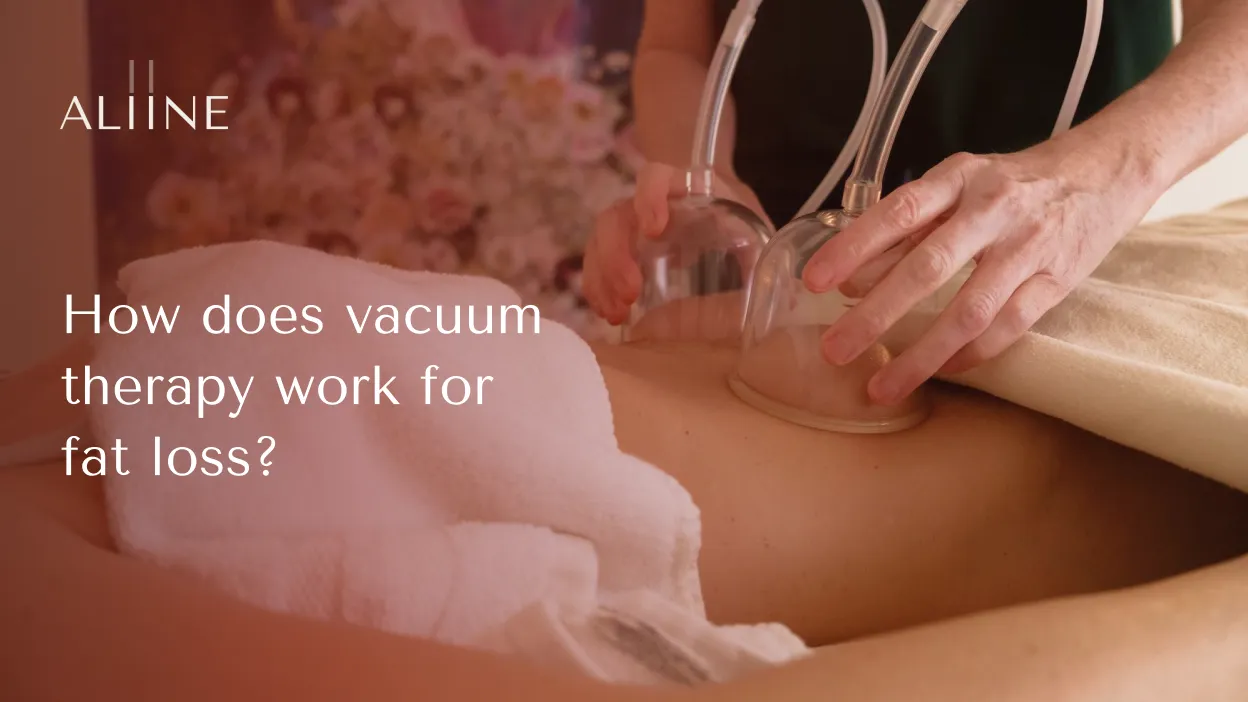
This is exactly the problem vacuum therapy for fat loss was built to solve. It's a technology-led approach that uses negative pressure to boost local blood flow, increase calorie burn, and encourage targeted fat breakdown while you move.
Why Circulation Is the Real Bottleneck
To understand what is vacuum therapy actually doing, it helps to look at how your body releases fat for energy in the first place. During cardio, your body releases hormones like adrenaline to signal fat cells to let go of stored fatty acids. But that only works well in tissue with strong blood flow.
Stubborn fat zones usually have weaker circulation and run a little cooler than the rest of your body. Without enough blood flow moving through that area:
Fat-releasing hormones can't reach the fat cells efficiently
Fatty acids that do get released have a harder time getting transported out to actually be burnt.
Waste and extra fluid build up locally, which is part of why skin looks dimpled
Regular cardio raises your heart rate overall, but it doesn't necessarily send extra blood to those cold, stubborn areas specifically. That's the gap vacuum therapy is designed to close.
So What Is Vacuum Therapy, Exactly?
Vacuum therapy usually shows up built into low-impact cardio equipment, often a sealed chamber you exercise inside. It pairs light physical movement with controlled negative pressure around the area being targeted.
Creating that vacuum around your lower body while you move sets off a few things at once.
It pulls blood toward the surface
Negative pressure draws blood into the skin and the fat layer just beneath it. Flooding that usually under-circulated tissue with oxygen and hormones makes it much easier for your body to access fat that was otherwise stuck.
It increases how many calories you burn
Moving inside a negative pressure environment adds a bit of resistance to every movement, so your stabilising muscles have to work harder. That translates into a noticeably higher calorie burn than a comparable workout without the added resistance and without extra strain on your joints.
It supports lymphatic drainage
The alternating pressure helps move stagnant fluid and metabolic waste out of the tissue. That's a big part of why people feel lighter almost immediately and why skin often looks smoother and firmer afterwards.
All of these reasons make infrared vacuum cardio one of the most effective ways to burn fat.
Why Pairing It With Infrared Heat Makes It Work Even Better
Vacuum pressure alone does a lot of the work by mechanically pulling blood into stubborn areas. When infrared heat is added to the mix, the whole thing becomes a more complete metabolic protocol.
Infrared light gets underneath the skin's surface and raises tissue temperature, which opens blood vessels even further. Put vacuum pressure, infrared heat, and gentle movement together, and it may result in:
Warmer tissue burning through energy faster
Cells working harder to keep up, which raises overall metabolic output
Better circulation and stronger collagen production help smooth out the appearance of cellulite over time
Does Vacuum Therapy Work? Here's How Aliine Approaches It
At Aliine, the goal is real results without pushing your body past what it can actually recover from. Our Infrared Vacuum Cardio, part of the Body Sculpting pillar, is built around exactly this idea.
Low-impact by design: You're reclined and cycling inside a sealed vacuum chamber, which protects your knees and spine while you work.
Two technologies working together: Negative pressure and infrared heat run at the same time, maximising fat mobilisation while keeping the session comfortable.
A nervous system that stays calm: Because the session drives real energy expenditure without spiking cortisol the way intense training can, your body stays in a more balanced state throughout.
The Bottom Line
Targeted fat loss doesn't have to mean guesswork or overtraining. Pair real negative-pressure technology with therapeutic heat and gentle movement, and you're giving your body exactly the circulation it needs to finally release fat it's been holding onto.
Work with your vascular biology instead of against it, and body sculpting becomes something you can actually repeat and rely on.
If you've been searching for "vacuum therapy near me" and wondering whether it's worth trying, explore our Infrared Vacuum Cardio sessions at Aliine or see how they pair with EMS and Pilates for an even more holistic approach to body sculpting.
Book Your Consultation at Aliine
Frequently Asked Questions
Is vacuum therapy good for weight loss?
It can support fat loss, especially in stubborn areas, but it works best alongside real movement and a broader routine, not as a standalone weight loss method. Think of it as a circulation boost that helps your body access fat more efficiently, not a replacement for overall activity.What are the side effects of vacuum therapy?
It's generally considered low-risk. Some people notice mild bruising, temporary redness, or slight tenderness in the treated area right after a session, but these usually fade quickly. It's not recommended during pregnancy or if you have certain circulatory or skin conditions, so it's worth checking with the clinic beforehand.Does vacuum therapy really work?
Yes, particularly for improving circulation, reducing the look of cellulite, and supporting fat mobilisation in stubborn areas. Results are gradual rather than dramatic, and consistency across multiple sessions matters more than any single visit.How many sessions of vacuum therapy?
Most people see noticeable results after 6 to 12 sessions, though this depends on the area being treated and your individual goals. Sessions are usually spaced a week or two apart.Is vacuum therapy painful?
No, most people describe it as more of a gentle pulling or massage-like sensation rather than pain. Some report mild discomfort if the pressure is set higher, but it's not typically an uncomfortable experience.